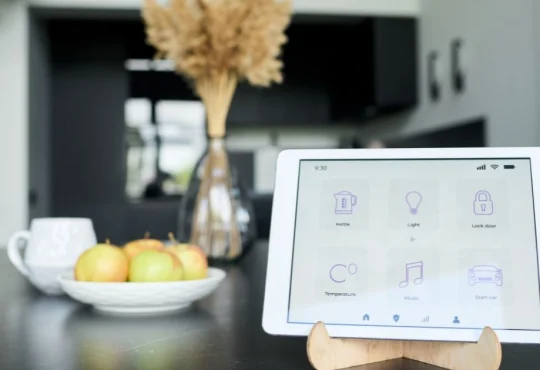


Upgrading your home entryway with biometric door locks brings peace of mind and everyday convenience. These modern locking systems use advanced sensors to recognize unique biological traits, such as fingerprints or even facial features, to grant access. With the rise of smart homes, biometric door locks combine cutting‑edge technology with traditional security features, offering a more efficient and safer way to secure your home. Rather than fumbling with keys or worrying about lost copies, biometric locks let you and your family members access the home with a simple scan.
This guide will take you through how biometric door locks work, the key features to look for when choosing one, and a list of the best models available in 2026. From budget‑friendly options to high‑tech smart locks, there’s a model for every need, offering increased security, convenience, and modern innovation.
What Is a Biometric Door Lock and How Does It Function?
Biometric door locks are smart locks that secure your home using biometric data, typically fingerprints. Unlike traditional keyed locks, biometric locks use sensors to capture and compare your unique physical features. Once your fingerprint is scanned, it’s compared to a pre‑registered record to verify your identity. If the scan matches, the door unlocks; if not, access is denied.
Many biometric systems also offer additional features, such as PIN codes, smartphone app control, and key cards for backup access, ensuring there’s always a way to enter if biometric recognition fails. These systems are ideal for homes with multiple occupants or trusted guests, as they can store numerous fingerprints, allowing different people to access the home without the need for physical keys.
Why Choose Biometric Door Locks for Home?
Enhanced Security with Keyless Entry
Biometric locks significantly increase security compared to traditional locks. Unlike keys, which can be lost, stolen, or copied, your fingerprint is unique and difficult to replicate. This makes unauthorized access much harder. Many advanced biometric systems also encrypt access data, providing an additional layer of protection against digital hacking attempts.
For added security, many biometric locks also feature a built‑in alarm system that activates if someone tries to tamper with the lock or force entry. This makes them a reliable choice for safeguarding entry points like front doors, back doors, and garages.
Convenience and Speed
One of the major advantages of biometric door locks for the home is their convenience. With a biometric lock, you don’t need to fumble for keys or worry about forgetting them. Scan your fingerprint, and the door unlocks instantly, providing quick access when you’re in a hurry. Whether you’re running errands or coming home late at night, biometric locks offer a fast and seamless experience.
Additionally, biometric locks can log access activity, allowing you to track when someone enters or exits your home. This can be especially useful for families, giving homeowners a record of who’s coming and going without needing to ask.
Multiple Access Options
Most biometric door locks offer more than just fingerprint scanning. Many models allow for multiple forms of access, including:
- PIN codes for manual entry
- Smartphone app control allows for remote locking and unlocking
- Key fob or RFID cards for additional access flexibility
This versatility means that if your fingerprint doesn’t work for any reason (e.g., wet fingers or a sensor malfunction), you can still get inside. Some systems even allow homeowners to grant temporary access to visitors or service personnel, which is particularly convenient for those with frequent guests or shared spaces.
Key Features to Consider in Biometric Door Locks
When choosing biometric door locks for the home, several important features should be considered to ensure the lock you select is secure, reliable, and convenient. Here are the key features you should consider:
Fingerprint Recognition Speed and Accuracy
The primary function of a biometric lock is its fingerprint recognition capability. A good biometric door lock should read your fingerprint in under a second, even when your fingers are wet or slightly dirty. Accuracy is also essential — a lock with a high recognition rate will provide a better user experience by ensuring it works every time.
More advanced systems use multiple sensors to reduce errors and improve speed. A high‑quality reader will work accurately even in challenging conditions, ensuring quick and reliable access for users.
Number of Fingerprint Profiles
If you plan to share the lock with family members, friends, or housekeepers, choose a model that allows for multiple fingerprint profiles. Many biometric locks store up to 100 fingerprints, allowing several users to gain access. This is especially beneficial in households with multiple people who need independent access.
Some models let you remove or update profiles as needed, so you’re always in control of who has access. This feature provides extra convenience without the need for physical keys or separate entry codes.
Smartphone Integration
Smartphone integration is another feature that many modern biometric door locks include. A lock that connects to a smartphone app lets you control it remotely, monitor access logs, and set user permissions. This feature is especially useful for allowing access when you’re not home. Whether you’re letting in a delivery or giving a guest temporary access, controlling the lock through an app adds another layer of convenience and security.
Some models also integrate with smart home systems, such as Google Assistant and Alexa, for voice control. This makes it easier to unlock your door when your hands are full.
Power and Backup Options
Most biometric door locks are battery-powered, but it’s important to consider the lock’s battery life. Many models have a low-battery indicator that alerts you so you can replace the battery before it runs out. Some locks come with backup entry options, such as PIN codes or mechanical keys, in case the battery dies unexpectedly.
It’s essential to choose a lock that allows for easy battery replacement and provides some way to enter if the battery runs out. Some systems also include a USB port for charging in an emergency.
Top 5 Biometric Door Locks for Home
Here are some of the best biometric door locks available in 2026, offering high‑quality security features, smart capabilities, and user convenience.
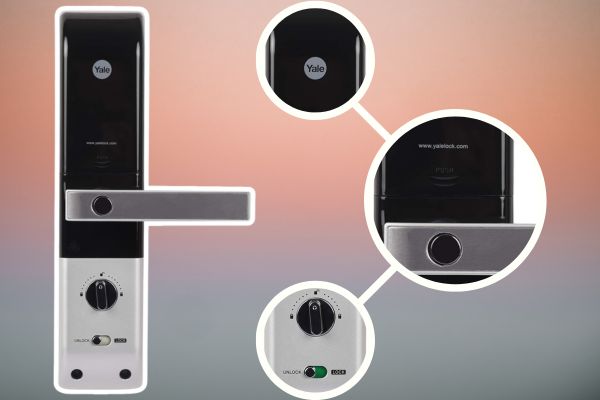
1. Yale YDM 4109 Biometric Fingerprint Digital Door Lock
Yale has long been a trusted name in security, and the YDM 4109 biometric lock lives up to the brand’s reputation. It combines fingerprint recognition with secure deadbolt protection, offering keyless entry. It also offers a backup PIN code, making it a versatile and reliable choice for homeowners who want both security and convenience.
Features:
- Fingerprint recognition for quick, secure access
- Deadbolt protection for added security
- Backup PIN code entry
- Smart features with app control
2. TUYA WiFi Smart Lock Fingerprint Door Lock
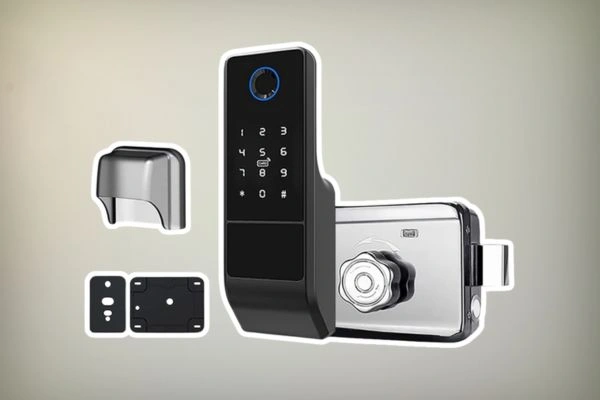
The TUYA WiFi Smart Lock offers advanced features, including fingerprint access and WiFi connectivity. This allows you to control the lock remotely via the mobile app and supports PIN codes for added flexibility. This model also integrates with smart home systems, making it a great choice for tech‑savvy homeowners.
Features:
- Remote access through smartphone app
- WiFi connectivity for integration with smart homes
- Additional PIN code and RFID card access
- Sleek, modern design
3. BAFUWEIY Fingerprint Door Lock
For those on a budget, the BAFUWEIY Fingerprint Door Lock is an affordable yet functional option. It offers reliable fingerprint access, providing a keyless entry solution for families who want to reduce the number of traditional keys they manage. Its simple design makes it an ideal choice for homes looking for a no‑frills, budget‑friendly option.
Features:
- Budget‑friendly with basic fingerprint access
- Simple, straightforward design
- Ideal for homes with one or two users
- Easy to install and use
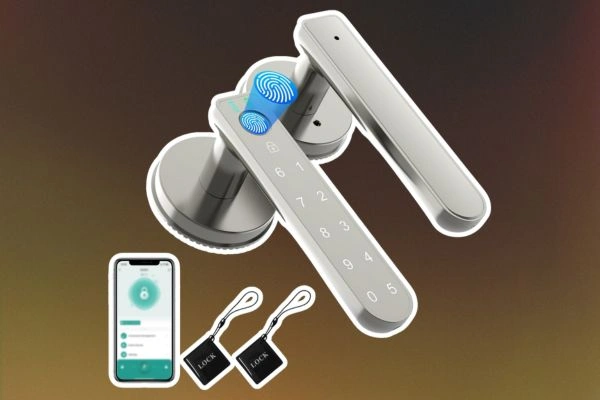
4. Foxgard Fingerprint Door Lock
The Foxgard Fingerprint Door Lock offers multiple access methods, including fingerprint scanning, PIN codes, and key cards. This lock fits a variety of standard door setups, making it a flexible solution for many homes.
Features:
- Multiple access options (fingerprint, PIN, key card)
- Reliable fingerprint recognition system
- Simple installation
- Modern and sleek design
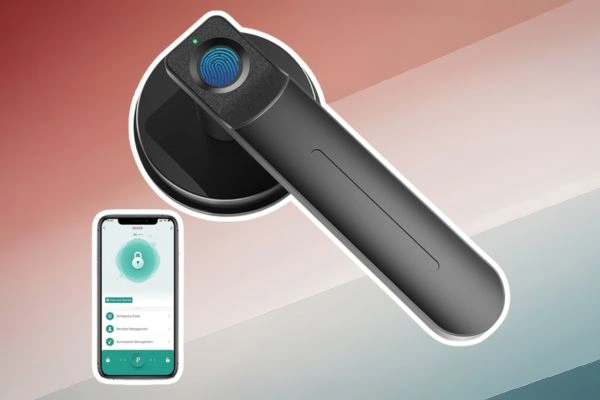
5. WRIGHTMASTER 3‑in‑1 Aluminum Smart Lock Deadbolt with App Biometric
For those who want a premium lock that combines smart technology with traditional security features, the WRIGHTMASTER 3‑in‑1 Smart Lock offers app control, fingerprint access, and deadbolt security. It’s perfect for families who want both high security and smart home integration.
Features:
- App control and fingerprint access
- Deadbolt for added security
- Stylish aluminum finish
- Smart home integration (works with Alexa and Google Assistant)
Maintenance and Installation Tips
Easy Installation Process
Installing a biometric door lock is generally straightforward, but it’s important to ensure compatibility with your door. Most models come with clear instructions, and some require a screwdriver and basic tools for setup. If you’re installing a smart lock, follow the manufacturer’s instructions carefully to sync it with your app.
Tip: Before purchasing, check the lock’s specifications to make sure it fits the thickness and type of your door.
Regular Maintenance
Biometric door locks require minimal maintenance but should be cleaned regularly. Wipe the fingerprint sensor with a microfiber cloth to ensure accurate scans. It’s also important to check the batteries frequently and replace them as needed. For locks with app control, ensure the app is up to date to avoid connectivity issues.
Tip: Clean the fingerprint sensor every few months to maintain its sensitivity.
Frequently Asked Questions
- What Happens If The Biometric Lock Doesn’t Recognize My Fingerprint?
Most biometric locks offer backup access options, like PIN codes, key fobs, or physical keys, in case the fingerprint sensor fails.
- Are Biometric Door Locks Difficult To Install?
Biometric locks are generally easy to install, though you’ll need to ensure they are compatible with your door. Some may require basic tools, while others might offer professional installation.
- Do Biometric Door Locks Work In All Weather?
Some models are weatherproof and designed for outdoor use, but it’s best to check the manufacturer’s specifications for outdoor conditions.
- Can I Store Multiple Fingerprints On A Biometric Lock?
Yes, most biometric locks can store dozens or even hundreds of fingerprint profiles, making it easy to provide access to family members and trusted visitors.
- Can Biometric Locks Be Integrated With Smart Home Systems?
Yes, many biometric locks integrate with smart home systems like Google Assistant and Alexa for voice control, remote access, and enhanced security.
Enhancing Home Security with Biometric Door Locks
Biometric door locks for home security offer unmatched convenience and protection. Whether you choose a basic model or a more advanced option with smart features, these locks provide secure, keyless entry, faster access, and peace of mind. With fingerprint recognition, smart home integration, and versatile access options, they are a solid choice for any modern home.
By focusing on key features such as fingerprint recognition speed, storage capacity for multiple profiles, battery life, and smart integration, you can choose the best biometric door lock that suits your needs. With the right lock, you can create a more secure, streamlined, and technologically advanced home.